Quinta Nas Nuvens.
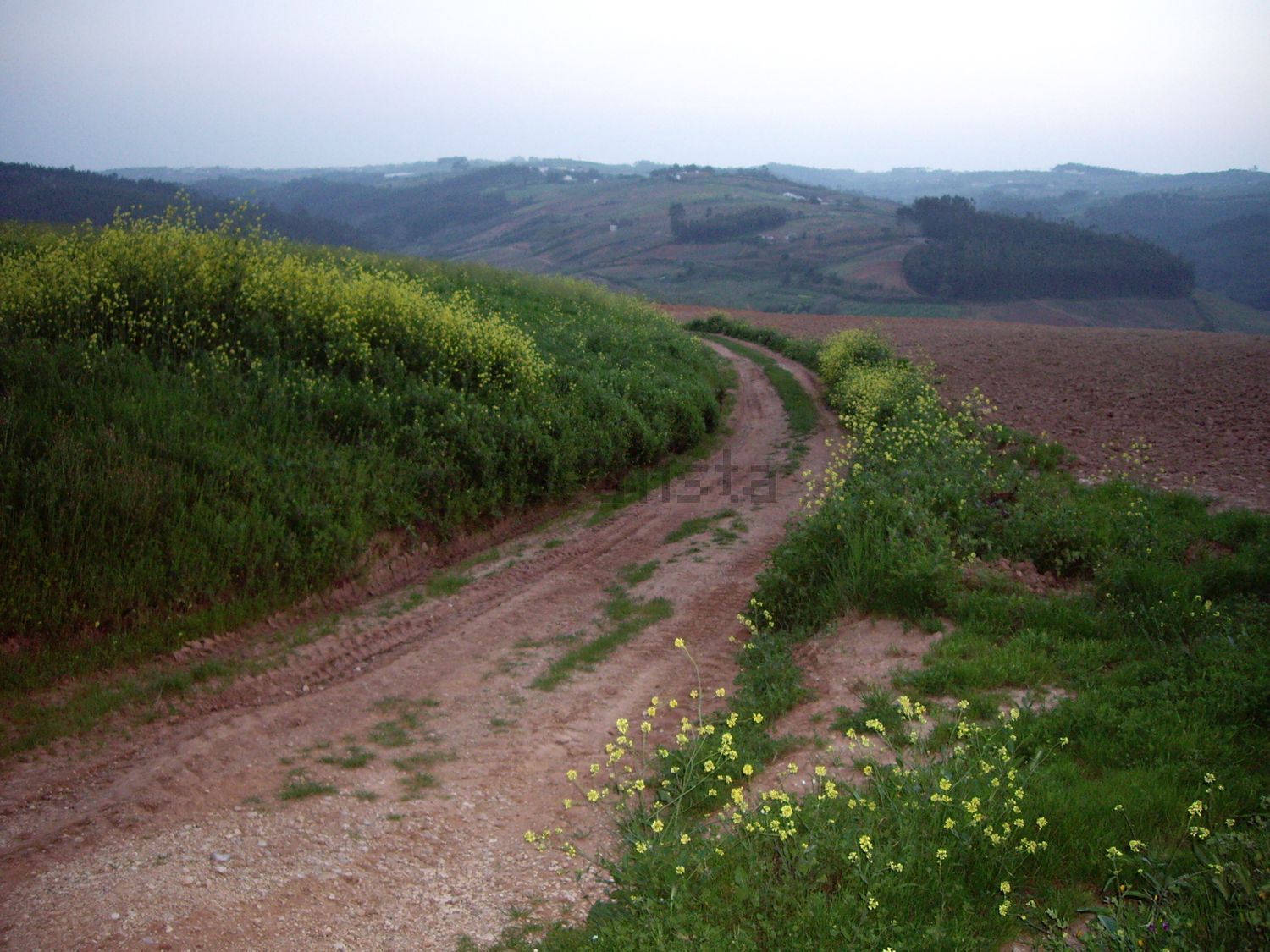
Long view over the Oeste countryside
A-dos-Francos · Caldas da Rainha · Oeste

Quinta Nas
Nuvens.

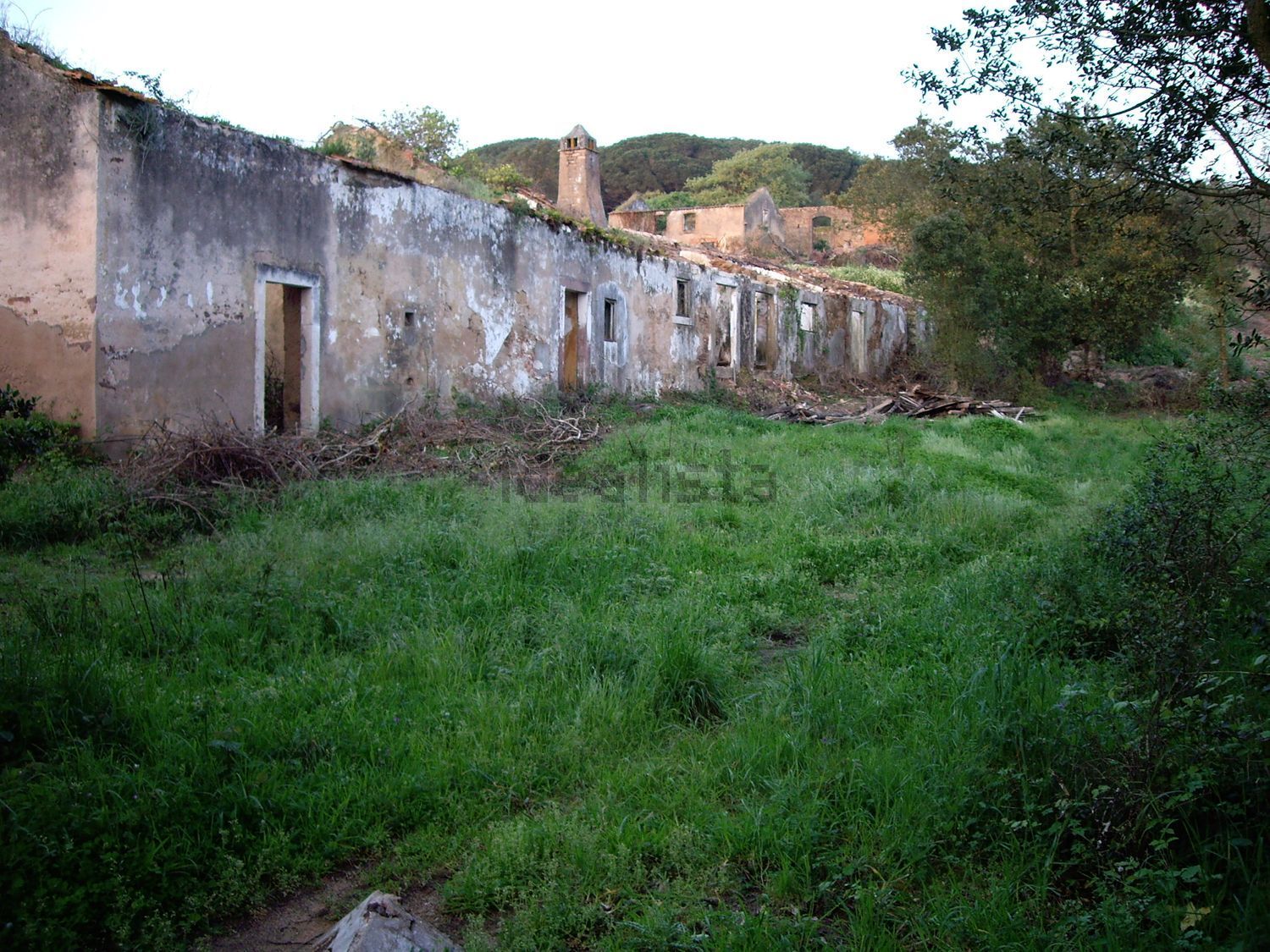
A 19,157 m² estate with a chapel still standing, an adega, an eira, a well — and a tree growing through a roof. A palimpsest rehabilitation, restored slowly and honestly.
19,157 m² · two articles ~1 h 30 from Lisbon Off-grid by choice

A working estate, kept as it is and quietly made livable.

We are Fábio and Flavia — a Brazilian couple between Amsterdam and Lisbon, planning to land fully in Portugal. This is our home, not a development. We read images before words, and we would rather spend an extra month on a wall detail than discover in five years that we should have.
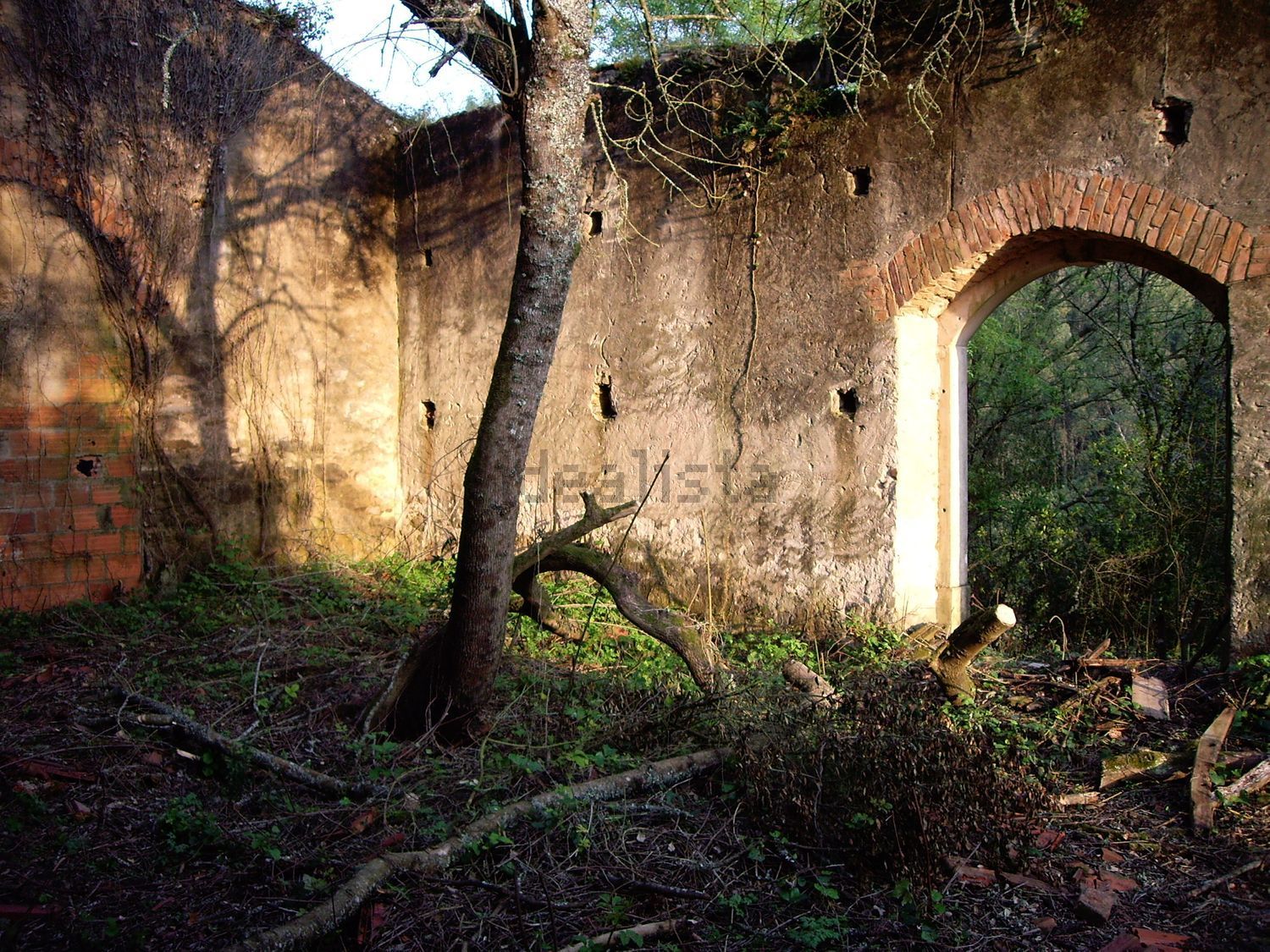
A tree rooted inside a ruin
Fig. 01Tree / room
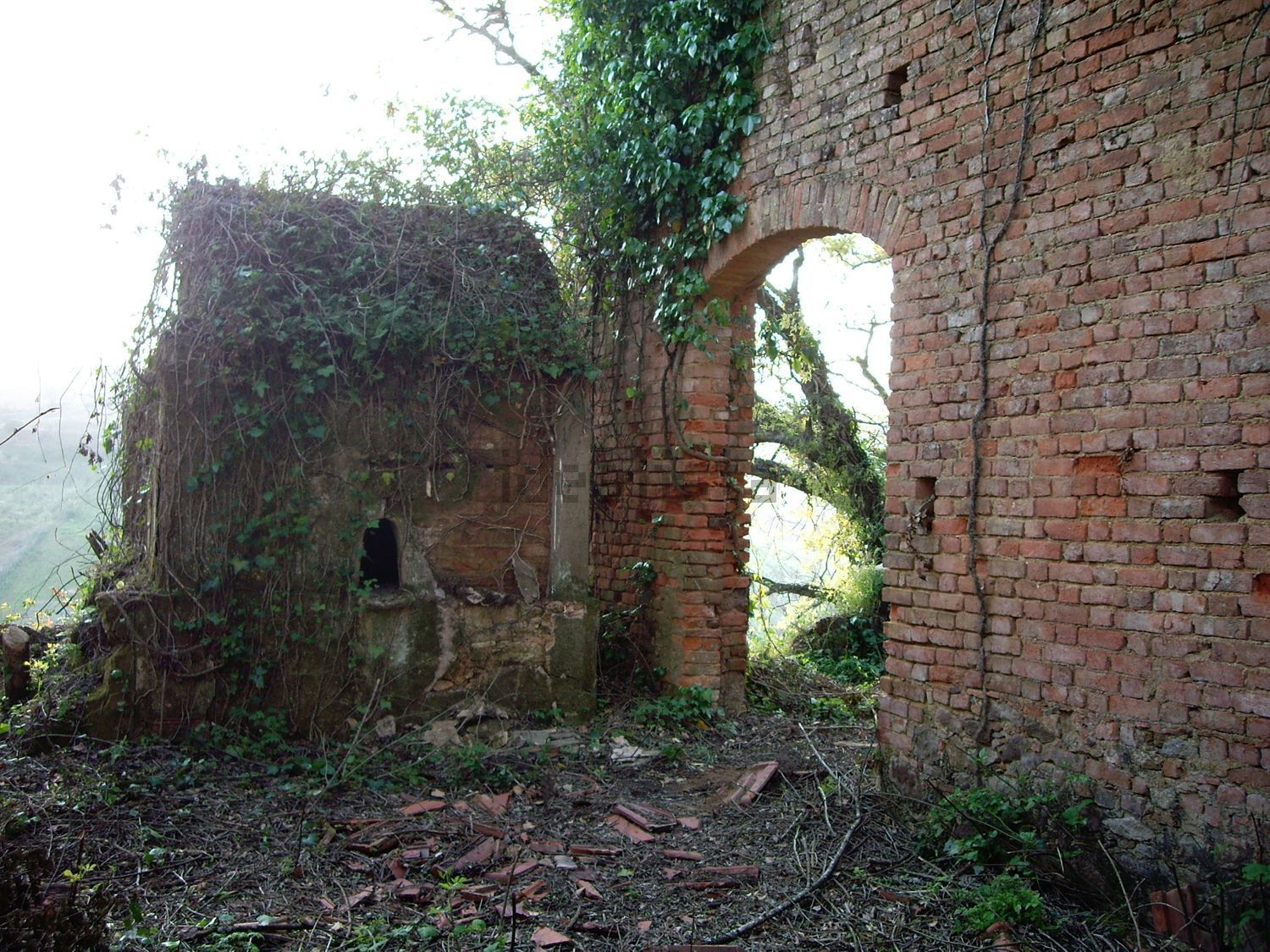
Chapel chimney
Fig. 02Chapel
Adega voussoirs
Fig. 03Adega

Quiet, agricultural, unhurried.

Gently rolling Oeste countryside at 75–85 m, long views over farmland and vineyards. Inland from the Atlantic, close to Óbidos. No neighbours close enough to see from inside the site.
Total land
19,157
Buildable footprint
~1,280
Programme
400–480
Elevation
75–85 m
Budget
~€500k
Timeline
No deadline

Two contiguous urban articles — 2103 (lower) and 2104 (upper). Registered as Quinta de Vila Verde for any official document. Topographic survey, June 2022.

An unusually rich set of typologies.

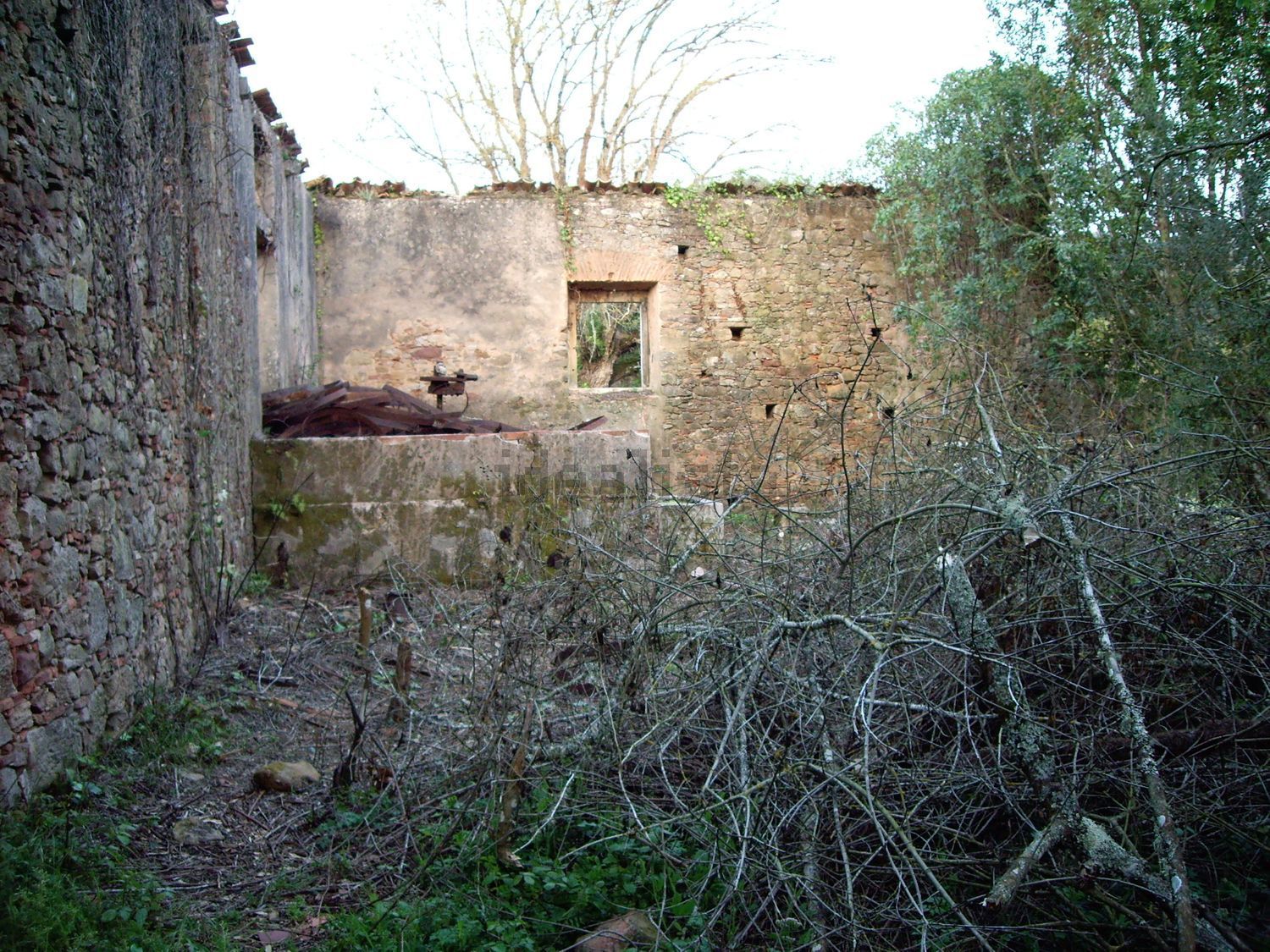
A chapel still standing, with its original chimney. An adega. An eira. A well. Almost everything else is ruin — walls, brick voussoirs, vegetation coming in from the inside. The named typologies are protagonists, not things to absorb.
Lower area · art 2103~964 m²
01Main dwelling436 m²
02Chapel — original chimney62 m² ★
03Adega — wine cellar308 m² ★
04Secondary dwelling158 m²
Upper area · art 2104~316 m² built
05Four two-floor buildings316 m²
06Eira — threshing floor430 m² ★
07Telheiro — covered shed73 m²
08Poço — stone well35 m² ★
§ The vision

Palimpsest, not erasure.

The site has been built and rebuilt for generations, and most of what stands is now ruin. We don't want to flatten any of that into a clean slate. Where a stone wall remains, it stays stone. The new should read as a continuation of the old — and the seam between them is where the building gets its character.

We don't want nature tamed to fit the project. We want the project to conform to the site.
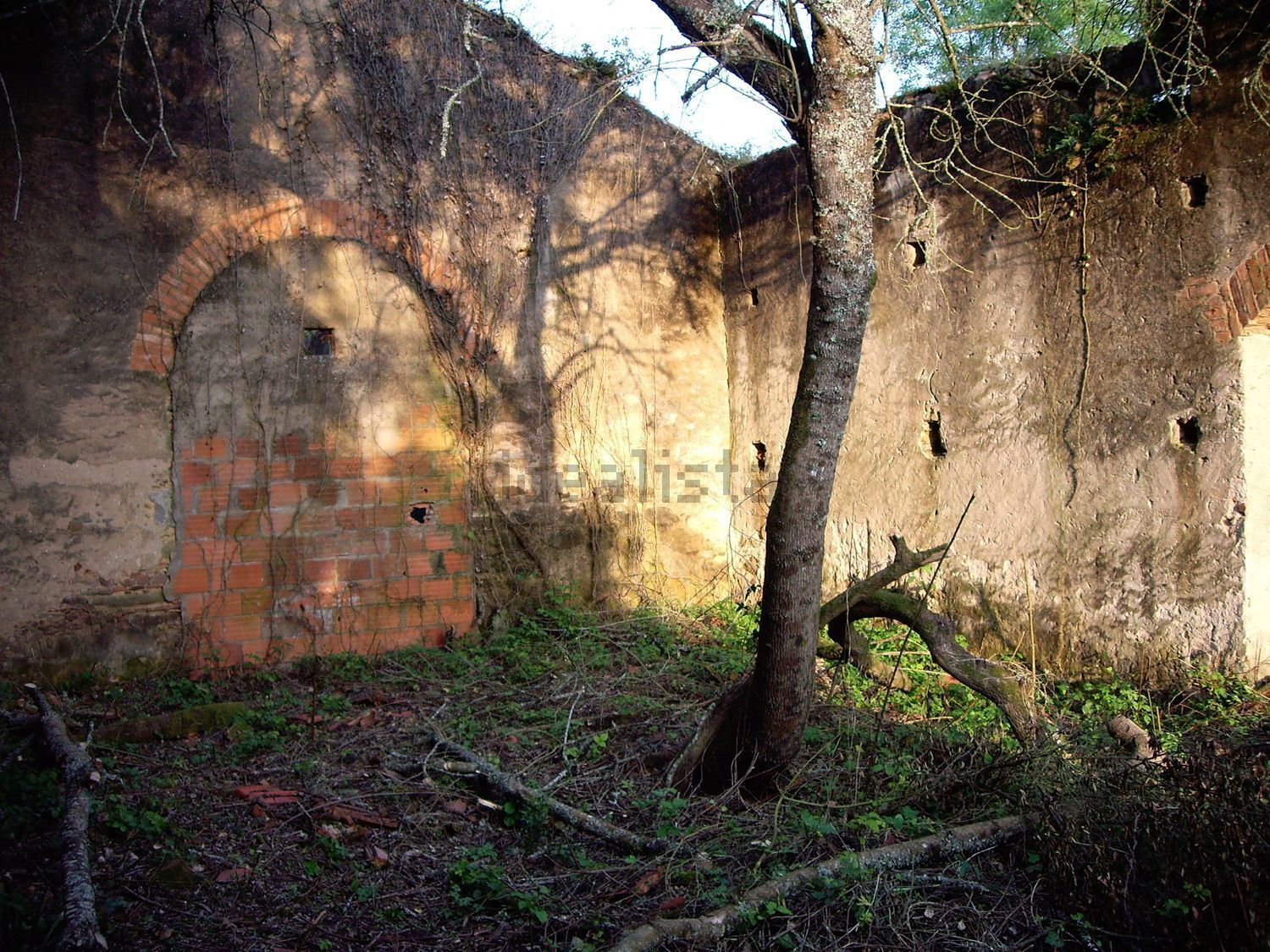
Tree growing through an arched ruin

A fraction of the footprint, single-storey.

We are not trying to fill the site. ~400–480 m² of livable space across the existing ruin footprint — the rest kept as ruins, walled gardens, and courtyards. Footprint, not gross area, is the real envelope: roughly 2.5× more than we need.
Livable · ~400–480 m²single-storey
AMain house~200 m²
BStudio — Fábio~50 m²
CStudio — Flavia~50 m²
  
DGuest house — 2 br~50–100 m²
EWellness — sauna, tub, gym~50–80 m²
FOutdoor kitchen — under the telheiroopen-air
Stone wall opening
§ Off-grid & bioclimatic

Self-sufficient, by choice.

The site has no utility connections and we hope to keep it that way. The intent is self-sufficiency — solar panels, battery storage, a well, septic on site. Passive design is the starting point, not an add-on.

This is intent, not engineering. The actual sizing, siting, and screening is exactly what we'll work out with you and whatever solar and engineering specialists the project needs — treated as a design problem, not left in a field as an afterthought.

The projects that crystallise it.

One thread runs through all of them — ruins kept and celebrated, new insertions in clear contrast, material honesty, and use as the means of preservation.
·Astley CastleWitherford Watson Mann
·Casa MínimaEstúdio Mínima
·Casal SaloioMiguel Marcelino
·Alcino Cardoso HouseÁlvaro Siza
·Casa E/CSAMI · Pico
·Bode Country HousePLATAFORMArq
·SO House · Hotel SevillaPHYD · Zeller & Moyé